

Key Takeaways
- The Nanushuk project shows how a structured public comment workflow can support complex environmental reviews with multiple submission channels.
- SmartComment helped keep electronic comments, letters, comment cards, and public hearing transcripts connected within one review process.
- Topic classification, reviewer assignments, and QA/QC helped the project team move comments from intake through response while maintaining the administrative record.
The Nanushuk Project on Alaska’s North Slope required a public review process capable of handling comments from multiple sources over a multiyear environmental review. Consultants at DOWL brought in SmartComment to create a more organized way to collect, classify, review, and respond to public input.
Among SmartComment’s public management case studies, Nanushuk shows what changes when a project involves environmental review, remote geography, technical subject matter, and a formal administrative record.
The Project
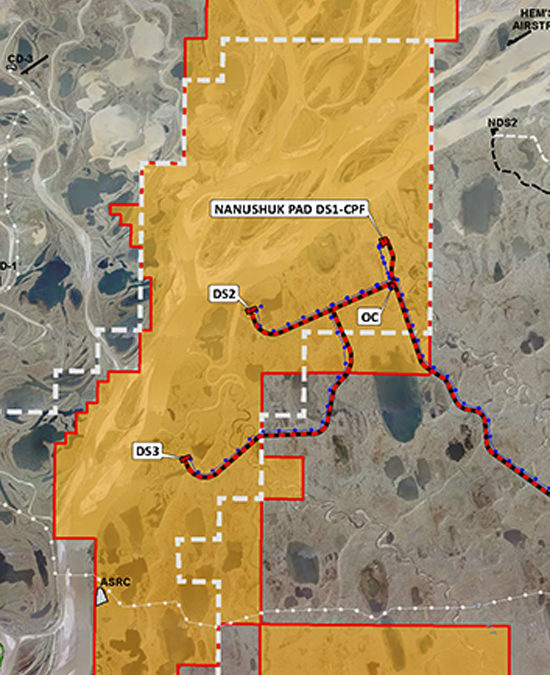
The Nanushuk Project involved proposed oil development on Alaska’s North Slope. During environmental review, the project team needed to accept electronic comments while also preserving more traditional forms of participation, including letters, comment cards, and public hearing transcripts.
That combination is common in complex land use cases. Public input may arrive through several channels, but reviewers still need one organized record that connects each substantive concern with the appropriate topic, reviewer, and response.
What SmartComment Helped the Project Team Do
SmartComment created a project website for electronic comment submission and a secure database where the team could consolidate public input. The team could incorporate traditional submissions alongside online comments, rather than managing them through separate spreadsheets or disconnected files.
The project team also worked with SmartComment to create and refine a topic list as submissions arrived. Using SmartBracket™, reviewers could separate longer submissions into individual comments, assign each one to a topic, and keep it connected to its original submission.
DOWL staff were organized into response teams so comments could move from initial review through QA/QC and final approval. This gave the team a clearer view of open issues, assigned responsibilities, and response status throughout the review process.

What the Nanushuk Case Shows About Public Comment Management
This project demonstrates why successful comment management is more than collecting messages. Teams need to preserve the original submission, identify the issues within it, route those issues to the right specialists, document responses, and maintain a record that can support the final environmental review.
During the pre-scoping and draft environmental impact statement phases, the Nanushuk team received hundreds of comments and classified them by topic as they arrived. That gave consultants and agency staff a more current picture of public concerns and helped them identify areas where additional outreach or project attention could be useful.
For agencies and consultants comparing public management case studies, Nanushuk offers a practical example of how a structured comment workflow can support technically complex and highly scrutinized projects.
Frequently Asked Questions
How should teams conduct a public hearing when comments will become part of the administrative record?
When arranging for how to conduct a public hearing, teams should consider what happens after people speak. Teams should capture verbal testimony, written submissions, comment cards, and follow-up materials through a consistent process so reviewers can identify substantive issues, assign them to the appropriate subject matter experts, and document responses.
SmartComment can incorporate public hearing transcripts alongside other comment sources, keeping hearing testimony in the same project record.
What community feedback questions are most useful during a complex environmental review?
Useful community feedback questions should help reviewers understand what people are concerned about and why. Depending on the project, questions may focus on environmental effects, transportation, access, land use, local services, construction impacts, alternatives, or mitigation measures.
The goal is not simply to generate more responses. Questions should make it easier for residents and stakeholders to provide specific information that project teams can evaluate and address.
Why is topic classification important for large public comment periods?
A single submission may contain several separate concerns. Topic classification allows reviewers to separate those issues without losing their connection to the original comment. This helps specialists focus on their assigned subjects while project managers maintain a complete record of the submission and response process.
Build a More Organized Public Review Process
Projects involving environmental review, infrastructure, permitting, or land use can generate public input that is difficult to manage with ordinary spreadsheets and email. Explore SmartComment’s public engagement platform features to see how comment intake, topic organization, response management, and project tracking can work together.
Request a demo to discuss your project’s review structure, comment volume, and documentation needs.